Seattle

The first thing you should know about Seattle is that it is very far away. I don’t think this fact really sunk in for the majority of the near-decade that I lived there, but in the final few years, as I began traveling back to the east coast more often to see friends and family, it began to sink in that this city is really far from everything, isn’t it?
The second thing you should know is that it actually does not rain all the time. Well, not exactly. Many people may know that several southeastern cities see more annual rainfall than Seattle does, but Seattle’s always-rainy reputation stems from the fact that it’s only reliably sunny there for roughly two months a year. The other ten months range from hit-or-miss sun-or-clouds to a permanent gray that may last for weeks on end. Many months feature a constant light drizzle that requires a light raincoat (but never an umbrella) any time you leave the house.
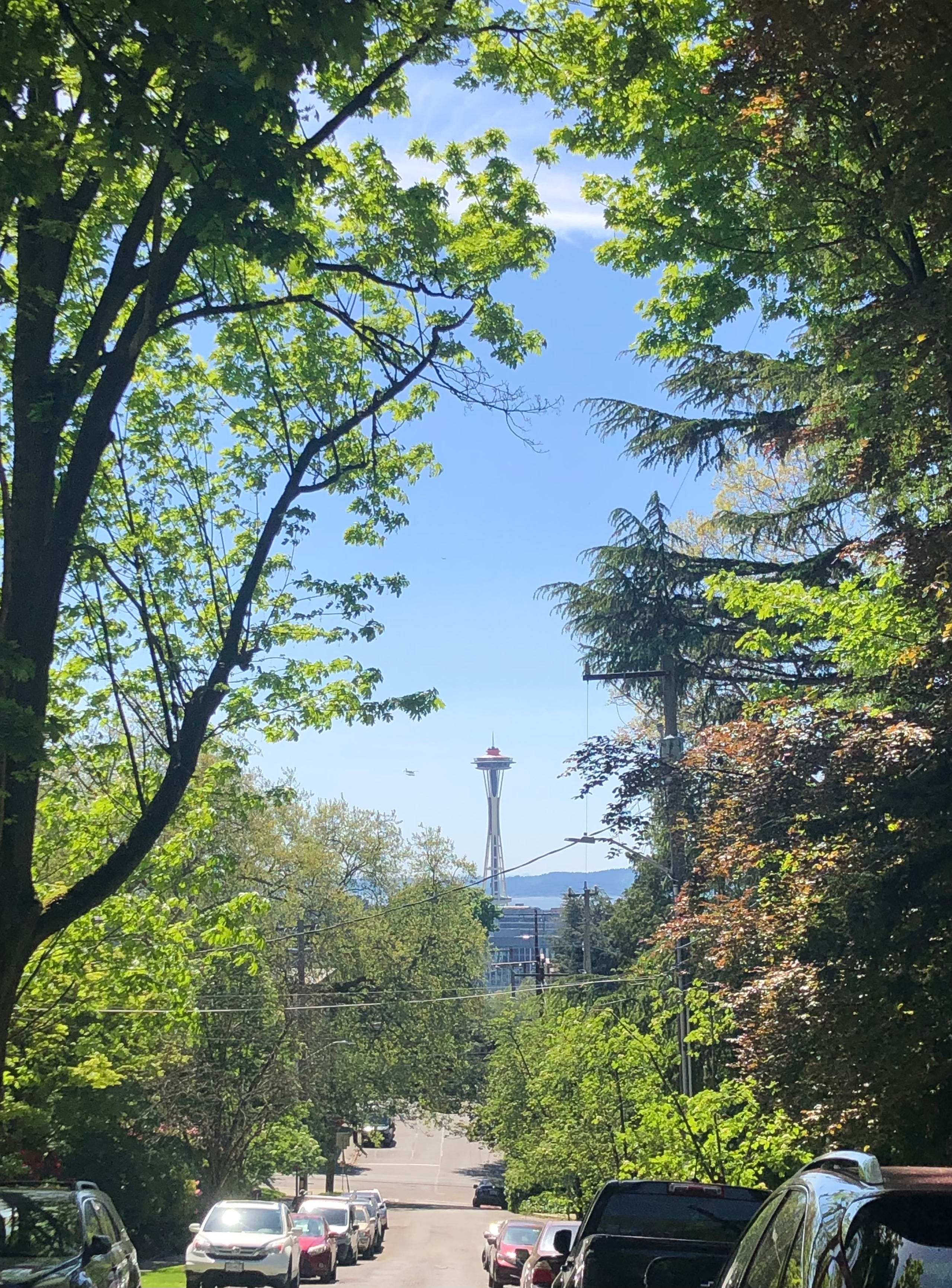
The remoteness of Seattle, combined with its unusual weather, do lend a certain exoticism to the greater area that is well-deserved. You notice when flying into Sea-Tac that the surrounding area is greener than any place you’ve ever seen from above, and venturing even 40 minutes outside of downtown Seattle will expose you to some of the most incredible natural beauty you will ever encounter. Even staying within the city limits, you’re never more than one street intersection away from an unobstructed view (depending on the visibility, of course) of large bodies of water or mountains covered in snow year-round. A common phrase heard in Seattle, “the mountain is out,” refers to Mount Rainier/Tahoma, the massive, snow-capped volcano about 60 miles south of the city, which is visible from points all over town when the weather cooperates, a sight that will take your breath away the first (and maybe one hundredth) time it happens.
Suffice it to say, if you want your nature fix, the greater Seattle area is the place for you. You’ll obviously need to rent a car and pack appropriate clothing, and should set aside at least half a day (and possibly a full one) for any outing. Be forewarned though: Some of the more popular hikes — like Rattlesnake Ledge, Mailbox Peak, or Oyster Dome — saw their popularity explode during the pandemic, so trailheads that were sparsely populated at 8am pre-pandemic now have lines of cars and people formed outside by sunrise. The Washington Trails Association website is a great resource for information on hikes and sights around the state, including helpful tips you should know prior to your visit.
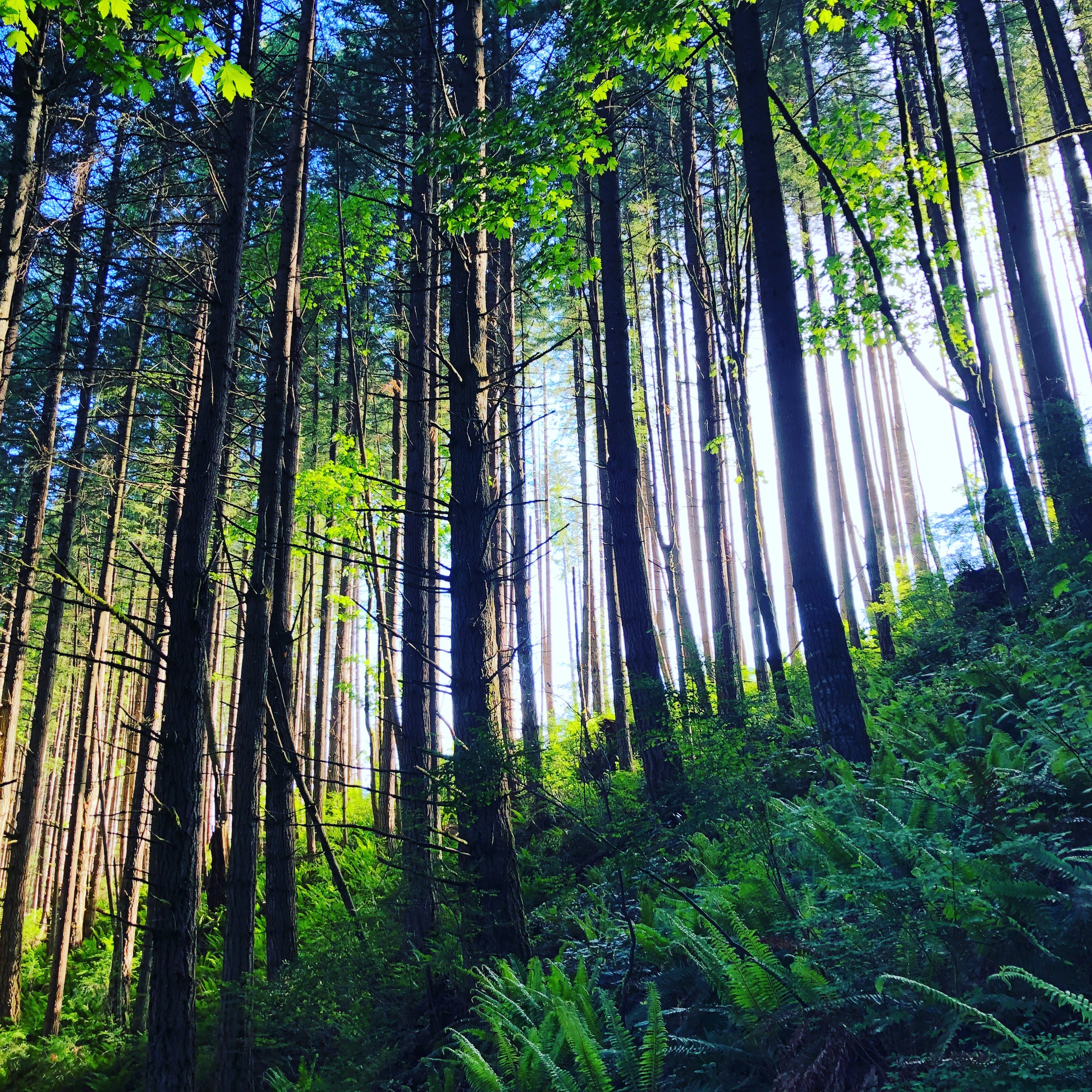
I will focus instead on the city of Seattle itself. Before moving on to everything else the city has to offer though, if you do want to scratch your nature itch while remaining within the city limits, Discovery Park offers several different trails of varying intensity — many of them simple walking trails, and some ending up on the western waterfront of Seattle, facing the Olympic Mountain Range — and is likely no more than a 25-minute drive away, depending on where you’re staying. In the heart of the city, the Washington Park Arboretum is a beautiful green space stretching from Madison Street to Montlake; I love grabbing a coffee and pastry from the French-inspired Belle Epicurean nearby and leisurely strolling through the Arboretum on a chilly Saturday or Sunday morning, checking out the incredible Japanese Garden if it’s in season.
Seattle itself is a fairly compact city, but the steep hills and water throughout the city make getting around entirely on foot (or via its lackluster public transportation) a challenge. I recommend staying downtown, as it’s very close to several must-visits and a short drive or Uber away from most anywhere else you’ll likely go. I stayed at the centrally-located Hotel Andra on a recent trip back to town and it was every bit as great as I remembered from my previous apartment-hunting visit ten years prior. The rooms are spacious and well-appointed and there’s a solid restaurant on premises, all at a very reasonable price. And it’s an easy walk from Top Pot (great coffee and doughnuts, one of several locations around town) or Skillet (diner-style breakfast and lunch, including huge biscuits, with another location in Capitol Hill), depending on the size of your appetite when you inevitably wake up at 4am on your first morning in town.
Anyone visiting Seattle for the first time obviously knows about Pike Place Market and the Space Needle; I won’t spend too much time on these other than to say that they are two tourist destinations worth visiting. While I wouldn’t spend too much time hanging around either spot after visiting — the areas are filled with tourists, of course — the restaurants immediately surrounding Pike Place Market are mostly very good, and Tilikum Place Cafe near the Space Needle has a delicious brunch, including their signature Dutch Baby.
If you’re visiting Seattle and don’t like, or can’t eat, seafood, don’t worry: There are plenty of places worth eating that I’ll share later. But due to its climate and geography, the seafood options in Seattle are as good as you will find anywhere, so it’s worth trying as much as possible if you can.
Taylor Shellfish has multiple locations in town (I like their Melrose Market location), serving oysters and other raw and cooked items from their farm just north of the city. JarrBar, located on the street level below Pike Place Market, is a tiny Spanish-style bar serving tinned fish and small bites alongside its wine and cocktails. The Walrus and the Carpenter, the Ballard Avenue spot that is arguably the most well-known restaurant in Seattle to outsiders, is worth every bit of hype it receives; more of my visitors have declared this their favorite stop than any other restaurant. While its raw oysters are the star of the show, everything on the menu is a home run, all the way down to the bread with whipped butter (my god, that whipped butter.) Walrus doesn’t take reservations, so be prepared to wait — perhaps at Barnacle, their cozy bar next door. If you can stand eating this early, I recommend arriving around 3:50 and waiting among the handful of people gathered outside to guarantee yourself a seat when the restaurant opens at 4. Another seafood-focused standout, also owned by Walrus owner Renee Erickson, is Westward, perched on the northern edge of Lake Union and featuring a menu very similar to Walrus’s. Westward does take reservations, however, and if the weather is cooperating, you may elect to sit on their picturesque patio, enjoying unrivaled views of Lake Union and the city skyline while eating your oysters. I brought my sister to Westward as a thank you for helping me pack my apartment when I left Seattle, and our feast alongside summery drinks on a gorgeous, no-humidity Seattle evening felt like a perfect end to my PNW era.
Staying in the same vicinity as Westward, you can head west along the northern edge of Lake Union, passing Gas Works Park (another great urban park, also featured in the 1999 cinematic masterpiece Ten Things I Hate About You) until you hit Fremont Brewing’s Urban Beer Garden, arguably my favorite place to be in the city on a nice day. It’s a great place to hang out in any conditions, but the full renovation of the outdoor area that began as a pandemic upgrade has become one of the nicest outdoor spots around. Before moving on to other breweries, the modern Korean spot Joule right around the corner has excellent food and a great atmosphere, including an outdoor patio with a fire pit. Their Chinese scallion pancake with salmon roe and crème fraiche is a must-order.
If you want to continue brewery-hopping after Fremont, there are plenty of great options all over the city, from Georgetown Brewing south of downtown to Holy Mountain Brewing in Interbay — but the highest concentration of breweries can be found in Ballard, walking distance to each other and to The Walrus and the Carpenter. These include Urban Family, Reuben’s, and Stoup, the latter of which always has a rotation of food trucks parked outside. All of these stay fairly crowded, especially so when the weather is nice, but you can hop around until you find the one that’s just the right amount of busy for your liking.
Before leaving Ballard, if you don’t eat at Walrus, La Carta de Oaxaca (also walking distance) features Oaxaca dishes centered around phenomenal tamales. And after dinner, walk across the street for a sweet treat at Salt and Straw, the Oregon-based ice cream chain with flavors ranging from your standard salted caramel, etc. to seasonal and more adventurous savory flavors. Also in Ballard — but requiring an Uber from the breweries/Ballard Avenue spots — is Delancey, my pick for the best pizza in Seattle, rivaling anything you may find outside of New York. The pies have just the right amount of char, with the black bubbling crust serving as the perfect vehicle for ingredients ranging from vegetarian to meat-heavy. Delancey is always busy, but the always-reasonable wait can be spent at their bar Essex next door.
While Ballard certainly has its appeal, it is geographically separated from the heart of Seattle, tucked into the northwest corner of the city. Closer to downtown is Capitol Hill, Seattle’s greatest concentration of bars, dining, and (to the extent I know anything about this) nightlife. Cap Hill boasts a large LGBTQ+ community and its median age is several years lower than the rest of the city. The area called “Capitol Hill” is tough to define, as it stretches from roughly I-5 on the west to roughly 23rd Street on the east, with gorgeous old homes interspersed throughout. You can easily spend an entire day walking, eating, drinking, and shopping your way around Cap Hill, covering several miles in the process.
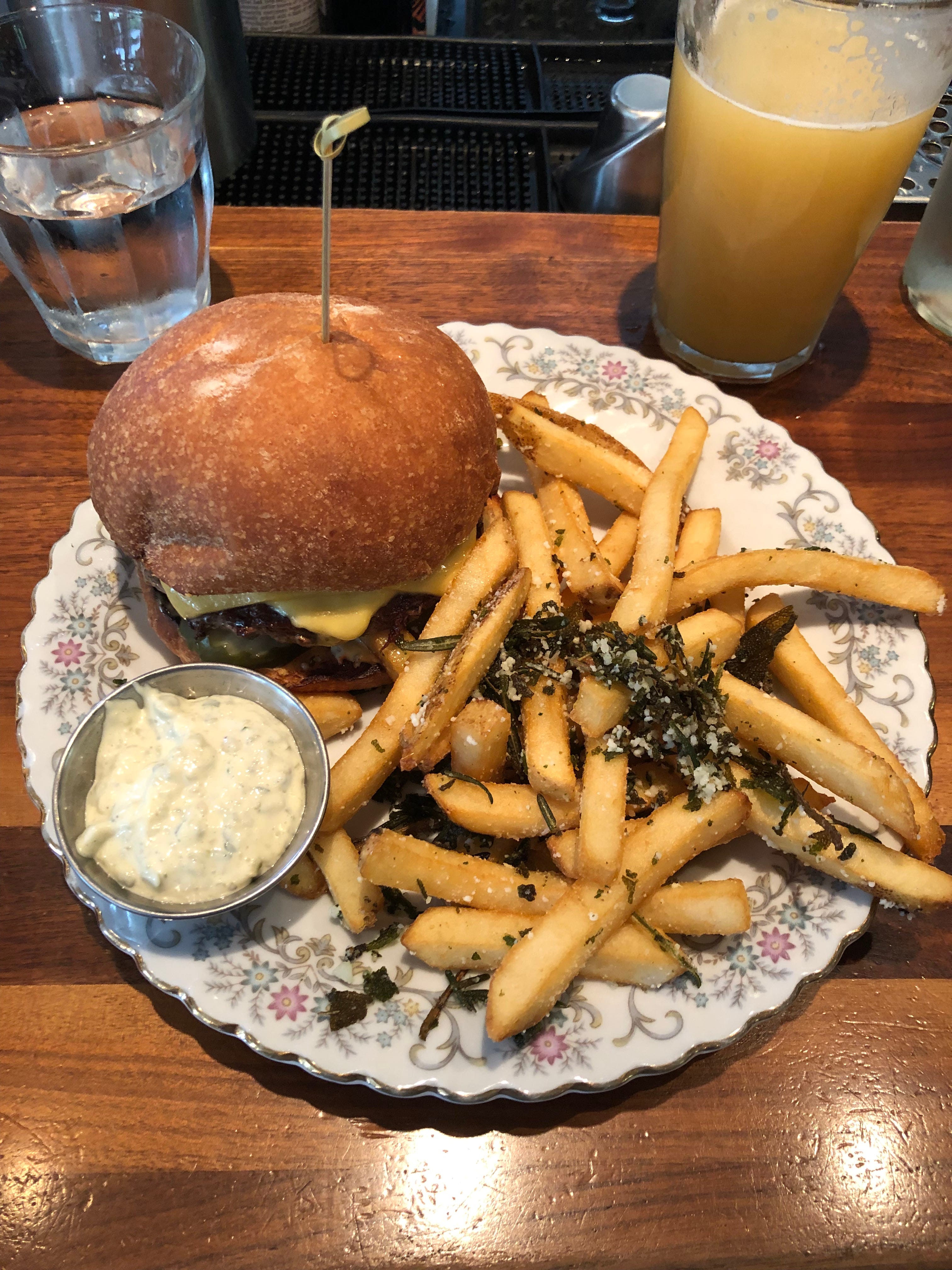
For me, no trip to Seattle is complete without a visit to Harry’s Fine Foods, a neighborhood anchor where I’ve spent dozens of evenings (I used to live down the street.) Harry’s is the ideal local restaurant, one that has somehow managed to never appear on popular “best of” lists but is always exactly what you’re in the mood for. And its staff is one of the few in Seattle — a notoriously cold and impersonal city — that creates a truly warm and convivial environment upon entering. A meal and drinks with friends on their covered, heated back patio is the perfect way to spend an evening year-round.
Down the street from Harry’s, try The Lookout if you’re looking for a divey spot with killer views from their back patio. One block east of Harry’s is a cluster of bars/restaurants beginning with Summit Public House (a great local spot with a pool table, outdoor seating, and a dozen beers on tap) and including Sol Liquor Lounge, a tiki-inspired cocktail bar, that truly feels like a neighborhood oasis, separate from the much busier stretches farther south and east.
From this area, you can head roughly a half-mile south towards the Pike-Pine corridor, the unofficial main artery of Cap Hill. Near the aforementioned Taylor Shellfish is Terra Plata, featuring a killer rooftop patio and a New American menu full of local dishes, and Mamnoon, a Middle Eastern restaurant serving lunch, my personal preference, and dinner. Around the corner from these is Stateside, a Vietnamese spot with exceptional drinks and a great dinner and brunch menu. (Other excellent Vietnamese restaurants in Cap Hill include Monsoon and Ba Bar, both slightly outside of this general area but still technically in the neighborhood.)
Venturing farther east, you’ll find some of Seattle’s best bars: La Dive (wine bar with small plates), Life on Mars (a chill day-drinking spot that gets loud at night; an entire wall of vinyl records), and Linda’s Tavern (an old Seattle institution with a great back patio.)
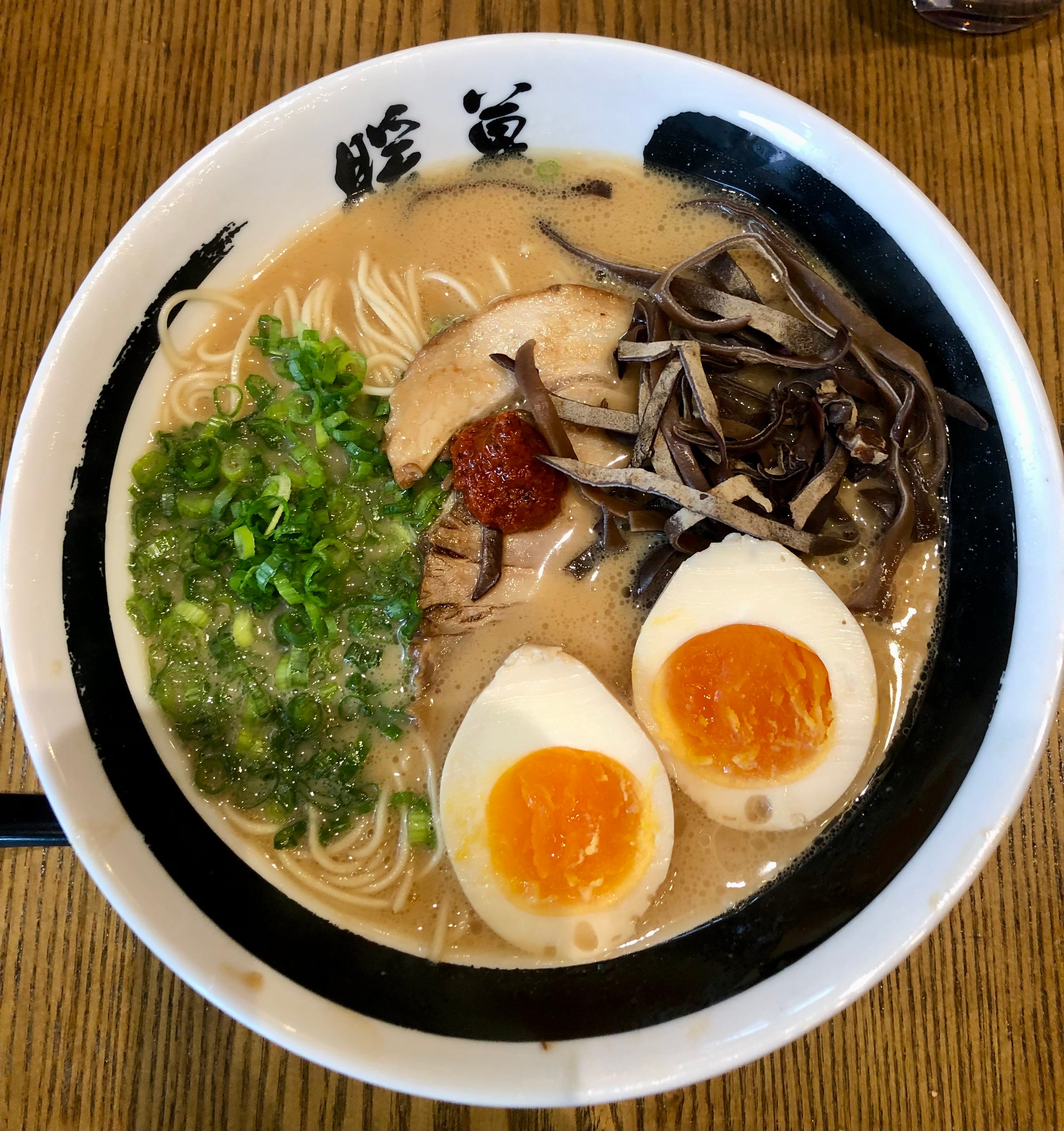
Other Capitol Hill must-visits include Elliott Bay Book Company — a not-too-large, not-too-small local bookstore where I’ve spent countless hours browsing on a Saturday morning (they also host authors on their book tours) — and Ramen Danbo, quite possibly the best ramen I’ve ever had. The latter also has a location in Park Slope, Brooklyn, for my fellow Brooklyn residents.
Venturing farther south and east, Bottlehouse is a wine bar in Madrona with snacks and small plates and a covered patio; it’s a perfect spot for a date night or a small gathering with friends. And I would be remiss not to mention Wood Shop BBQ in the Central District: I realize one probably doesn’t associate Seattle with top-notch barbecue, but this Kansas City- and Texas-inspired place serves brisket, pulled pork, and sides (including their elite mac and cheese) that are as good as anything I’ve had in Texas or the southeast. After taking my sister several years ago, it is now the one place she must go to any time she’s in town, even if she’s just passing through for work.
End your Seattle visit by making a trip up Queen Anne Hill, a lovely (and pricey) residential part of town separated from downtown by said hill, rising at a sharp angle above the city, making for dramatic vistas south and west. Make the obligatory visit to Kerry Park for jaw-dropping views of the city skyline — with a stunning Mount Rainier backdrop if the skies are clear. After Kerry Park, wander up Queen Anne Boulevard to How to Cook a Wolf, the Mediterranean-Italian spot that is the crown jewel of restaurateur Ethan Stowell’s growing Seattle empire. If you’re craving an after-dinner drink, Bar Miriam is a cozy cocktail spot nearby; afterwards, head back down towards Highland Avenue and walk around the charming Parsons Gardens before wandering to the western end of the street to watch the sun set over the Olympics.